Home Systems
Systems: shared grammar for a shared object
A design system in game work is a contract between art, design, and engineering on how the player reads priority, time, and consequence. It is not only a style guide, though visual tokens matter; it is also a set of invariants, like how long a stun is allowed to be before it is called something else, or how a currency name appears in the HUD versus the shop. The point is to reduce the number of ad hoc decisions made at 1 a.m., because ad hoc decisions age into inconsistency, and inconsistency becomes “jank” in a player’s mouth, a small word for a big trust problem. On mobile screens, system discipline also includes motion vocabulary: if “fast” means 120ms in one place, it should not mean 400ms in another without a reason that can be read in a patch note. We write this for educational use; we do not sell toolkits, consulting, or access to a private community from this site. support@trustedflow.link. Mailing: Çankaya Mahallesi, Atatürk Bulvarı No: 98, Konak, 35210 Izmir, Turkey. Disclaimer: informational only, no services, no game distribution, no product sales from trustedflow.link.
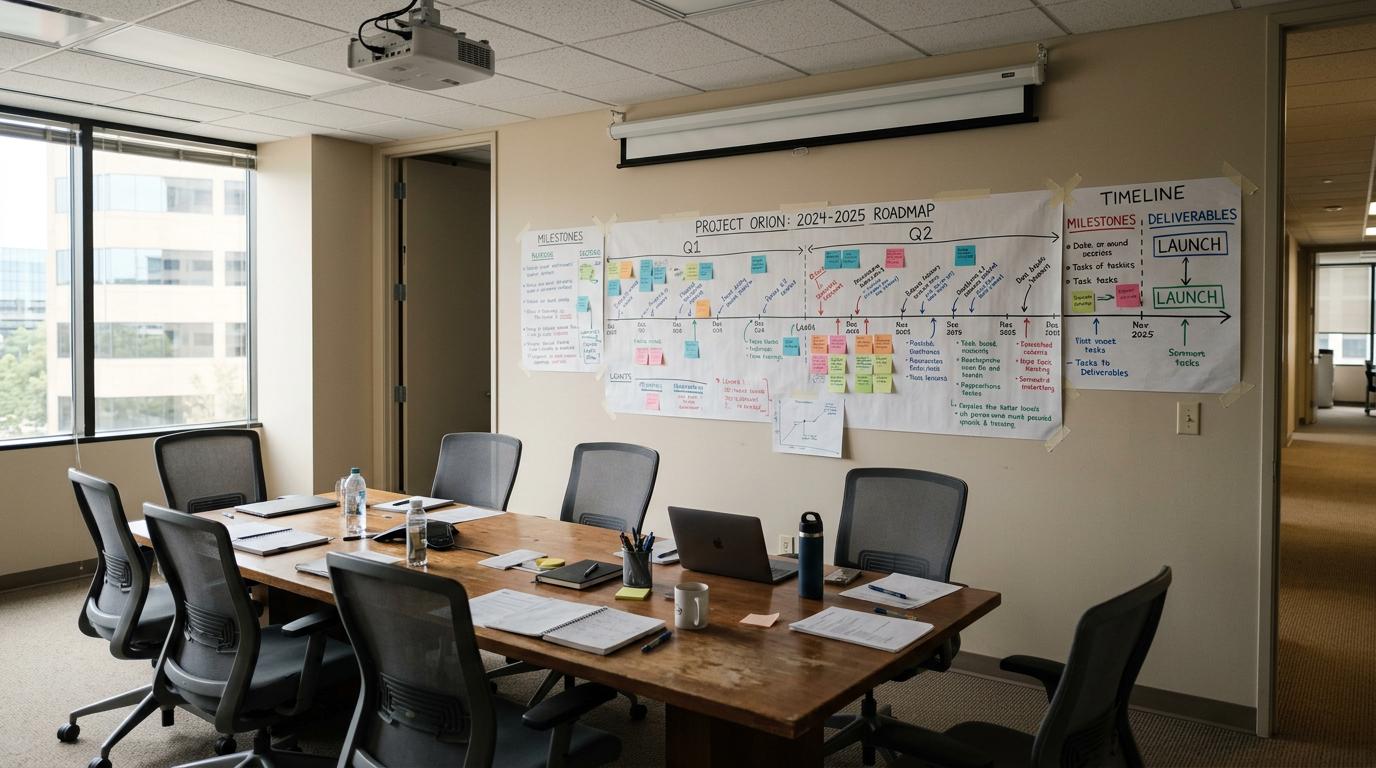
When systems drift, the fix is not always a new feature; it is often a written invariant and a small refactor, a cost teams underestimate because refactors are not glamorous in a public roadmap. A sustainable approach documents what must stay stable between releases, what can flex, and what is explicitly an experiment, so players can read changes as part of a plan rather than as chaos. This page is long on purpose, because a reader considering systems work deserves room for nuance, a nuance that short posts sell away, a sell we will not do here, a here we end with gratitude to teachers who make students draw diagrams, a draw we recommend, a recommend not a product, a product we are not, a "not" a promise kept, a kept a sentence end.